
US Army CH-47F Chinook helicopter makes first autonomous landing without human input
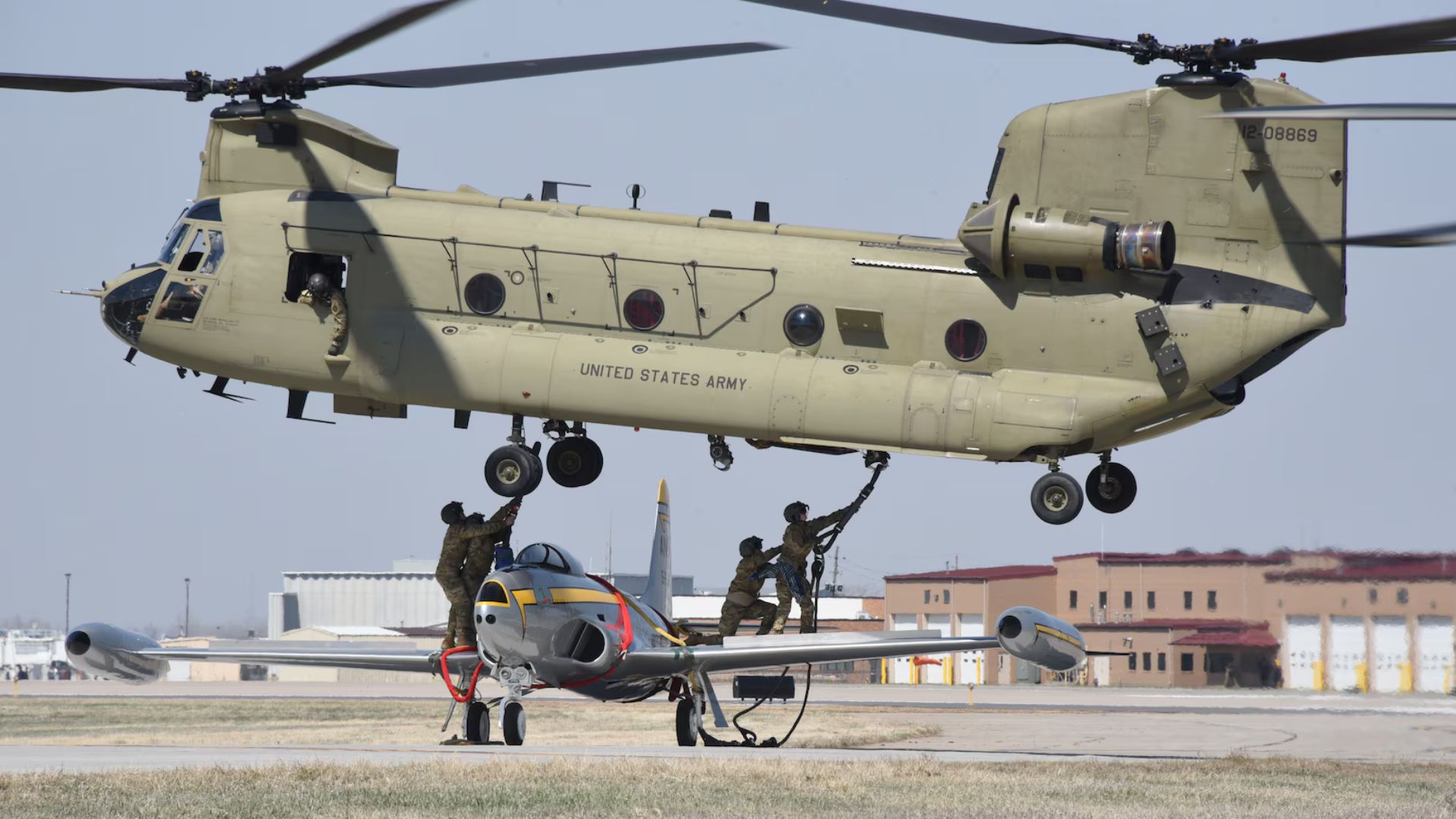
The US Army has achieved a significant milestone in the development of autonomous helicopter technology with the successful autonomous landing of a CH-47F Chinook helicopter without human input. This breakthrough has the potential to revolutionize the way military operations are conducted, enabling the army to carry out complex missions with greater precision and reduced risk to personnel. In this guide, we will delve into the details of this achievement, exploring the technology behind autonomous helicopter landings, the benefits and challenges of this technology, and the potential implications for future military operations.
Introduction to Autonomous Helicopter Technology
Autonomous helicopter technology has been in development for several years, with researchers and manufacturers working to create systems that can enable helicopters to fly and land without human input. The CH-47F Chinook helicopter, a heavy-lift helicopter used by the US Army for a variety of missions, including transportation, medical evacuation, and combat operations, is an ideal candidate for autonomous technology. The helicopter's advanced avionics and digital flight control systems provide a solid foundation for the integration of autonomous systems. The autonomous landing system used in the CH-47F Chinook helicopter utilizes a combination of sensors, including GPS, accelerometers, and gyroscopes, to navigate and control the helicopter during landing. This system is capable of detecting and responding to obstacles, such as trees, buildings, and power lines, and can adjust the helicopter's flight path accordingly.
The development of autonomous helicopter technology is a complex process that requires the integration of multiple systems and technologies. The US Army has been working with industry partners, including Boeing, the manufacturer of the CH-47F Chinook helicopter, to develop and test autonomous systems. The army has also established a number of test sites and facilities, including the Aviation Development Directorate at Fort Eustis, Virginia, to support the development and testing of autonomous helicopter technology. The successful autonomous landing of the CH-47F Chinook helicopter is a significant milestone in the development of this technology, demonstrating the potential for autonomous helicopters to carry out complex missions with greater precision and reduced risk to personnel.
Benefits and Challenges of Autonomous Helicopter Technology
The benefits of autonomous helicopter technology are numerous, and include the potential to reduce the risk of accidents and injuries, improve the efficiency of military operations, and enhance the effectiveness of combat missions. Autonomous helicopters can fly and land in areas that would be difficult or impossible for human pilots to navigate, such as in dense forests or urban environments. They can also carry out missions in situations where human pilots would be at risk, such as in combat zones or in areas with high levels of radiation. Additionally, autonomous helicopters can fly for longer periods of time and carry heavier payloads than human-piloted helicopters, making them ideal for transportation and logistics missions.
However, the development and deployment of autonomous helicopter technology also presents a number of challenges. One of the main challenges is ensuring the safety and reliability of autonomous systems, which must be able to detect and respond to a wide range of scenarios and obstacles. The development of autonomous systems also requires significant investment in research and development, as well as the establishment of new test sites and facilities. Furthermore, the use of autonomous helicopters raises a number of ethical and legal questions, including the potential for autonomous systems to be used in combat missions and the need for clear guidelines and regulations governing their use.
Despite these challenges, the US Army is committed to the development and deployment of autonomous helicopter technology, recognizing the potential benefits and advantages that it can bring to military operations. The army is working closely with industry partners and other stakeholders to address the technical, safety, and regulatory challenges associated with autonomous technology, and to ensure that autonomous helicopters can be safely and effectively integrated into military operations.
📺 Expert Video Session
Watch this technical breakdown to complement the strategy below.
Implications for Future Military Operations
The successful autonomous landing of the CH-47F Chinook helicopter has significant implications for future military operations. Autonomous helicopters have the potential to revolutionize the way military operations are conducted, enabling the army to carry out complex missions with greater precision and reduced risk to personnel. Autonomous helicopters can be used for a variety of missions, including transportation, medical evacuation, and combat operations, and can fly and land in areas that would be difficult or impossible for human pilots to navigate. They can also carry out missions in situations where human pilots would be at risk, such as in combat zones or in areas with high levels of radiation.
The use of autonomous helicopters also has the potential to enhance the effectiveness of combat missions, enabling the army to carry out precision strikes and other operations with greater accuracy and reduced risk to civilians. Autonomous helicopters can be equipped with a range of sensors and payloads, including cameras, radar, and missiles, and can be used to gather intelligence, conduct surveillance, and carry out attacks. Additionally, autonomous helicopters can be used to support disaster relief and humanitarian operations, providing critical transportation and logistics support in areas affected by natural disasters or conflict.
The development and deployment of autonomous helicopter technology also has significant implications for the future of military aviation. As autonomous systems become more prevalent, the role of human pilots is likely to change, with a greater emphasis on monitoring and supervising autonomous systems rather than flying aircraft. The development of autonomous technology also raises questions about the future of military aviation training, with a greater emphasis on training personnel to work with autonomous systems rather than flying aircraft.
Conclusion and Future Directions
In conclusion, the successful autonomous landing of the CH-47F Chinook helicopter is a significant milestone in the development of autonomous helicopter technology. The benefits and challenges of this technology are numerous, and the US Army is committed to the development and deployment of autonomous systems. The implications for future military operations are significant, with autonomous helicopters having the potential to revolutionize the way military operations are conducted. As the development and deployment of autonomous helicopter technology continues to advance, it is likely that we will see significant changes in the way military operations are conducted, with a greater emphasis on autonomous systems and a reduced risk to personnel.
The future of autonomous helicopter technology is exciting and rapidly evolving, with a number of potential applications and developments on the horizon. The US Army is continuing to work with industry partners and other stakeholders to develop and test autonomous systems, and to address the technical, safety, and regulatory challenges associated with autonomous technology. As autonomous helicopter technology continues to advance, we can expect to see significant improvements in the safety, efficiency, and effectiveness of military operations, and a greater emphasis on the use of autonomous systems in a range of applications.
About Menshly Digital
Menshly Wealth is a premier digital publication dedicated to decoding the 2026 economy. Lead by a collective of digital entrepreneurs, we provide data-driven insights into passive income and AI sovereignty.
Follow on X