
Dr. Andrea Adams-Miller and OhioCollegeSpeaker.com Reflect Shift as Colleges Reprioritize Career Readiness and Student Success Programming
Introduction to the Shifting Landscape in Higher Education
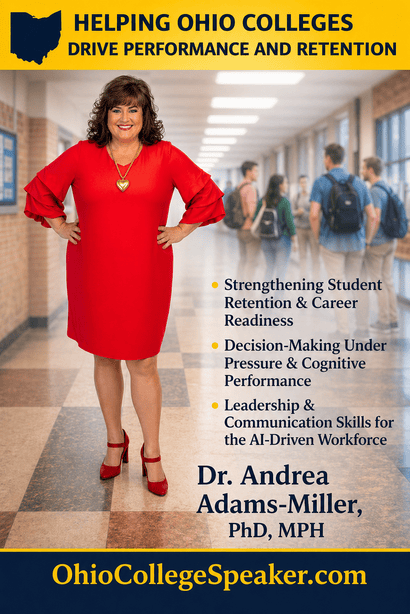
The landscape of higher education is undergoing a significant transformation, driven by the evolving needs of students, employers, and the broader economy. At the forefront of this shift is a renewed focus on career readiness and student success programming, as colleges and universities seek to equip graduates with the skills, knowledge, and adaptability required to thrive in an increasingly complex and interconnected world. Dr. Andrea Adams-Miller, a renowned expert in the field, and her platform OhioCollegeSpeaker.com, are reflecting this shift, providing valuable insights and resources to help institutions of higher learning navigate this new terrain. In this authoritative guide, we will delve into the key drivers of this shift, the implications for colleges and universities, and the strategies that institutions can employ to prioritize career readiness and student success programming.
According to recent studies, the majority of employers believe that colleges and universities are not adequately preparing students for the workforce, citing gaps in critical thinking, communication, and problem-solving skills. This perception has significant implications for institutions of higher learning, as they seek to demonstrate their value proposition to prospective students, employers, and other stakeholders. By reprioritizing career readiness and student success programming, colleges and universities can help bridge the gap between academic preparation and workforce readiness, ultimately enhancing the employability and long-term success of their graduates.
Dr. Andrea Adams-Miller, through her work with OhioCollegeSpeaker.com, is playing a pivotal role in shaping the conversation around career readiness and student success programming. With her expertise in career development, leadership, and student success, Dr. Adams-Miller is providing colleges and universities with the insights, strategies, and resources needed to create more effective and impactful programming. From keynote speeches and workshops to consulting and coaching services, Dr. Adams-Miller is helping institutions of higher learning to navigate the complexities of this shifting landscape and to prioritize the needs of their students.
Key Drivers of the Shift towards Career Readiness and Student Success Programming
So, what are the key drivers of this shift towards career readiness and student success programming? One major factor is the changing nature of work itself, with technological advancements, globalization, and shifting workforce demographics creating new challenges and opportunities for graduates. Employers are increasingly seeking graduates who possess a unique combination of technical, business, and soft skills, as well as the ability to adapt, innovate, and lead in a rapidly changing environment. Colleges and universities must therefore prioritize programming that helps students develop these skills, including internships, mentorship programs, and experiential learning opportunities.
Another significant driver of this shift is the growing recognition of the importance of student success and well-being. With rising concerns about mental health, student debt, and social mobility, colleges and universities are recognizing the need to provide more holistic support to their students, encompassing not only academic success but also personal and professional development. This includes providing resources and services such as counseling, academic advising, and career coaching, as well as creating inclusive and supportive campus environments that foster a sense of community and belonging.
Demographic changes are also playing a significant role in shaping the priorities of colleges and universities. With shifting student demographics, including increases in first-generation college students, students of color, and students from low-income backgrounds, institutions must adapt their programming to meet the unique needs and challenges of these student populations. This includes providing targeted support services, such as academic support programs, mentorship initiatives, and cultural organizations, as well as creating inclusive and culturally responsive campus environments that value diversity and promote equity.
Finally, the shift towards career readiness and student success programming is being driven by the growing importance of accountability and outcomes-based assessment in higher education. With rising concerns about the value and affordability of higher education, colleges and universities must demonstrate their effectiveness in preparing students for success, including career readiness and long-term employability. This requires institutions to develop robust assessment and evaluation frameworks, including metrics such as graduation rates, job placement rates, and alumni satisfaction, as well as to invest in programming and services that support student success and career readiness.
Implications for Colleges and Universities
So, what are the implications of this shift for colleges and universities? Firstly, institutions must prioritize career readiness and student success programming, recognizing the critical role that these initiatives play in preparing students for success. This includes investing in programming and services such as career coaching, internships, and experiential learning opportunities, as well as providing resources and support for student well-being and success. Colleges and universities must also foster partnerships with employers, industry leaders, and community organizations, to provide students with real-world learning opportunities, mentorship, and job placement support.
Colleges and universities must also recognize the importance of creating inclusive and supportive campus environments, which value diversity, equity, and student well-being. This includes providing targeted support services for underrepresented student populations, as well as creating cultural organizations, mentorship initiatives, and academic support programs that foster a sense of community and belonging. Institutions must also prioritize faculty and staff development, providing training and resources to support the integration of career readiness and student success programming into the curriculum and co-curriculum.
Institutions must also develop robust assessment and evaluation frameworks, to measure the effectiveness of their career readiness and student success programming. This includes tracking metrics such as graduation rates, job placement rates, and alumni satisfaction, as well as conducting regular surveys and focus groups to gather feedback from students, employers, and other stakeholders. By prioritizing assessment and evaluation, colleges and universities can identify areas for improvement, inform program development, and demonstrate their commitment to student success and career readiness.
📺 Expert Video Session
Watch this technical breakdown to complement the strategy below.
Finally, colleges and universities must recognize the critical role that technology can play in supporting career readiness and student success programming. This includes leveraging digital platforms, such as online career portals and student success platforms, to provide students with access to resources, support, and opportunities. Institutions must also invest in data analytics and artificial intelligence, to better understand student needs, track student outcomes, and identify areas for improvement.
Strategies for Prioritizing Career Readiness and Student Success Programming
So, what strategies can colleges and universities employ to prioritize career readiness and student success programming? Firstly, institutions must develop a comprehensive career readiness and student success strategy, which aligns with their mission, vision, and values. This includes establishing clear goals and objectives, identifying key stakeholders and partners, and allocating resources and support to drive implementation.
Colleges and universities must also invest in programming and services that support student success and career readiness, including career coaching, internships, and experiential learning opportunities. This includes providing resources and support for student well-being, such as counseling, academic advising, and mentorship programs, as well as creating inclusive and supportive campus environments that foster a sense of community and belonging.
Institutions must also foster partnerships with employers, industry leaders, and community organizations, to provide students with real-world learning opportunities, mentorship, and job placement support. This includes developing internship and job placement programs, hosting career fairs and networking events, and providing resources and support for entrepreneurship and innovation.
Colleges and universities must also prioritize faculty and staff development, providing training and resources to support the integration of career readiness and student success programming into the curriculum and co-curriculum. This includes providing professional development opportunities, such as workshops and conferences, as well as recognizing and rewarding faculty and staff who demonstrate a commitment to student success and career readiness.
Finally, institutions must recognize the critical role that technology can play in supporting career readiness and student success programming. This includes leveraging digital platforms, such as online career portals and student success platforms, to provide students with access to resources, support, and opportunities. By prioritizing technology and innovation, colleges and universities can enhance the student experience, improve outcomes, and drive success in an increasingly complex and competitive higher education landscape.
Conclusion and Future Directions
In conclusion, the shift towards career readiness and student success programming is a critical development in the higher education landscape, driven by the evolving needs of students, employers, and the broader economy. Dr. Andrea Adams-Miller and OhioCollegeSpeaker.com are reflecting this shift, providing valuable insights and resources to help institutions of higher learning navigate this new terrain. By prioritizing career readiness and student success programming, colleges and universities can help bridge the gap between academic preparation and workforce readiness, ultimately enhancing the employability and long-term success of their graduates.
As we look to the future, it is clear that the landscape of higher education will continue to evolve, driven by technological advancements, demographic changes, and shifting workforce needs. Colleges and universities must therefore remain agile and adaptable, prioritizing innovation, creativity, and experimentation in their approach to career readiness and student success programming. By doing so, institutions can create a more responsive, effective, and sustainable higher education system, which prepares students for success in an increasingly complex and interconnected world.
Ultimately, the success of this shift will depend on the ability of colleges and universities to collaborate, innovate, and adapt, in response to the changing needs of students, employers, and the broader economy. By working together, and prioritizing career readiness and student success programming, we can create a brighter future for higher education, and for the students, graduates, and communities that we serve. Through the insights and expertise of Dr. Andrea Adams-Miller and OhioCollegeSpeaker.com, we can navigate this new terrain, and create a more vibrant, responsive, and effective higher education system, which prepares students for success, and drives prosperity, innovation, and growth.
About Menshly Digital
Menshly Wealth is a premier digital publication dedicated to decoding the 2026 economy. Lead by a collective of digital entrepreneurs, we provide data-driven insights into passive income and AI sovereignty.
Follow on X