
San Francisco Bay Area Housing Market Splits as Single-Family Homes Surge and Condos Decline
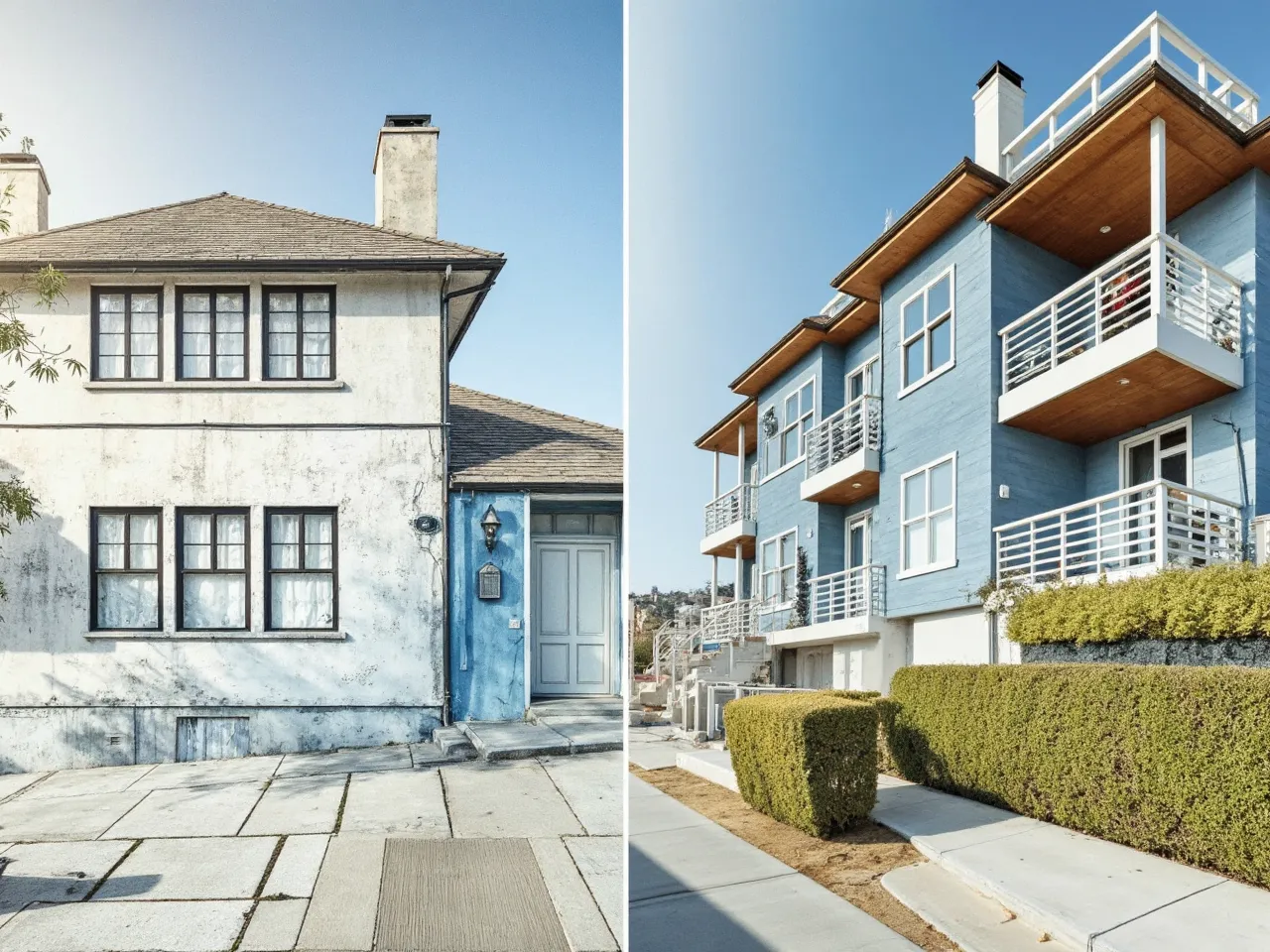
The San Francisco Bay Area housing market has long been a topic of interest for investors, homeowners, and potential buyers alike. Known for its steep prices and competitive landscape, the region has experienced a unique split in recent times, with single-family homes surging in value and condos declining. In this comprehensive guide, we will delve into the factors driving this trend, the current state of the market, and provide actionable insights for those looking to navigate this complex landscape.
As the tech hub of the United States, the San Francisco Bay Area has consistently drawn in high-income earners and young professionals, driving up demand for housing. However, the COVID-19 pandemic has brought about a significant shift in the way people live and work, with many opting for more space and flexibility. This shift has had a profound impact on the housing market, with single-family homes becoming increasingly desirable. According to recent data, single-family homes in the Bay Area have seen a significant surge in value, with median prices increasing by as much as 20% in some areas.
In contrast, the condo market has experienced a decline, with prices dropping by as much as 10% in certain areas. This decline can be attributed to a number of factors, including a decrease in demand from investors and a shift in buyer preferences. With many companies adopting remote work policies, the need for a centrally located condo has diminished, leading to a surplus of inventory and downward pressure on prices. Furthermore, the high cost of condo ownership, including HOA fees and property taxes, has made single-family homes a more attractive option for many buyers.
Understanding the Drivers of the Market Split
To truly understand the drivers of the market split, it is essential to examine the underlying factors contributing to the surge in single-family homes and the decline of condos. One key factor is the shift in buyer preferences, with many opting for more space and flexibility. Single-family homes offer a sense of freedom and autonomy that condos often cannot, with private outdoor spaces, parking, and the ability to make modifications without needing approval from an HOA. Additionally, the pandemic has highlighted the importance of having a dedicated workspace, with many single-family homes offering the space and flexibility to create a home office or studio.
Another significant factor driving the market split is the changing demographics of the Bay Area. As the tech industry continues to grow and evolve, the region is attracting a new wave of buyers who value space, flexibility, and a sense of community. These buyers are often young families or professionals who are looking to put down roots and establish a sense of permanence. Single-family homes, with their private outdoor spaces and proximity to good schools, are often seen as the ideal choice for these buyers. In contrast, condos, which were once the go-to option for young professionals, are now being overlooked in favor of more spacious and flexible living arrangements.
The economic factors at play also cannot be ignored. The Bay Area is home to some of the most expensive cities in the United States, with San Francisco and San Jose consistently ranking among the top five most expensive cities. The high cost of living, combined with the region's steep housing prices, has made it challenging for many buyers to afford condos, which often come with high HOA fees and property taxes. Single-family homes, while still expensive, offer a sense of long-term value and stability that condos often cannot, making them a more attractive option for buyers who are looking to invest in a property that will appreciate in value over time.
Navigating the Current Market Landscape
For buyers, sellers, and investors looking to navigate the current market landscape, it is essential to have a deep understanding of the trends and factors driving the market split. One key strategy is to focus on up-and-coming neighborhoods that offer a mix of affordability and amenities. These neighborhoods, which may have been overlooked in the past, are now experiencing a surge in popularity as buyers seek out more affordable options. Additionally, buyers should be prepared to act quickly, as the single-family home market is highly competitive, with many homes receiving multiple offers and selling above asking price.
For sellers, the current market landscape presents a unique opportunity to capitalize on the surge in single-family home values. By pricing their homes correctly and presenting them in a way that showcases their best features, sellers can attract multiple offers and sell their homes quickly. However, sellers of condos should be prepared for a more challenging market, with prices declining and inventory levels increasing. In this environment, it is essential to work with a skilled real estate agent who can help price the condo correctly and market it to the right buyers.
📺 Expert Video Session
Watch this technical breakdown to complement the strategy below.
Investors, too, should be aware of the market split and its implications for their investment strategies. While single-family homes may offer a sense of stability and long-term value, condos can still provide a strong rental income stream and potential for long-term appreciation. By diversifying their portfolios and considering a mix of single-family homes and condos, investors can mitigate risk and capitalize on the unique opportunities presented by the current market landscape.
Looking to the Future: Trends and Predictions
As the San Francisco Bay Area housing market continues to evolve, it is essential to look to the future and consider the trends and predictions that will shape the market in the years to come. One key trend is the continued growth of the tech industry, which is expected to drive demand for housing and push prices higher. Additionally, the region's limited supply of housing, combined with strict zoning regulations and environmental constraints, will continue to constrain inventory and drive up prices.
Another significant trend is the shift towards more sustainable and environmentally friendly living arrangements. As buyers become increasingly conscious of their environmental footprint, there will be a growing demand for homes that are energy-efficient, eco-friendly, and sustainable. This trend is expected to drive innovation in the housing market, with the development of new technologies and materials that prioritize sustainability and reduce waste.
In terms of predictions, it is likely that the market split between single-family homes and condos will continue, with single-family homes remaining in high demand and condos experiencing a more sluggish market. However, there are opportunities for condos to rebound, particularly if developers can create more innovative and appealing living spaces that meet the changing needs of buyers. Furthermore, as the region's housing market continues to evolve, it is likely that we will see a growing trend towards more affordable and inclusive housing options, with a focus on community land trusts, affordable housing initiatives, and other innovative solutions.
Conclusion and Actionable Insights
In conclusion, the San Francisco Bay Area housing market is experiencing a unique split, with single-family homes surging in value and condos declining. By understanding the drivers of this trend, including the shift in buyer preferences, changing demographics, and economic factors, buyers, sellers, and investors can navigate the current market landscape and make informed decisions. Whether you are a seasoned investor or a first-time buyer, it is essential to stay up-to-date on the latest trends and predictions, and to work with a skilled real estate agent who can provide actionable insights and guidance.
For buyers, the key takeaway is to be prepared to act quickly and to focus on up-and-coming neighborhoods that offer a mix of affordability and amenities. For sellers, it is essential to price homes correctly and present them in a way that showcases their best features. Investors, too, should diversify their portfolios and consider a mix of single-family homes and condos to mitigate risk and capitalize on the unique opportunities presented by the current market landscape.
Ultimately, the San Francisco Bay Area housing market is complex and multifaceted, with many different factors at play. By staying informed, being adaptable, and working with the right professionals, buyers, sellers, and investors can navigate this challenging landscape and achieve their goals. Whether you are looking to buy, sell, or invest in the Bay Area, the key is to be proactive, stay ahead of the curve, and be prepared for the opportunities and challenges that lie ahead.
About Menshly Digital
Menshly Wealth is a premier digital publication dedicated to decoding the 2026 economy. Lead by a collective of digital entrepreneurs, we provide data-driven insights into passive income and AI sovereignty.
Follow on X