
Nasa to announce Artemis-II Moon launch details tonight
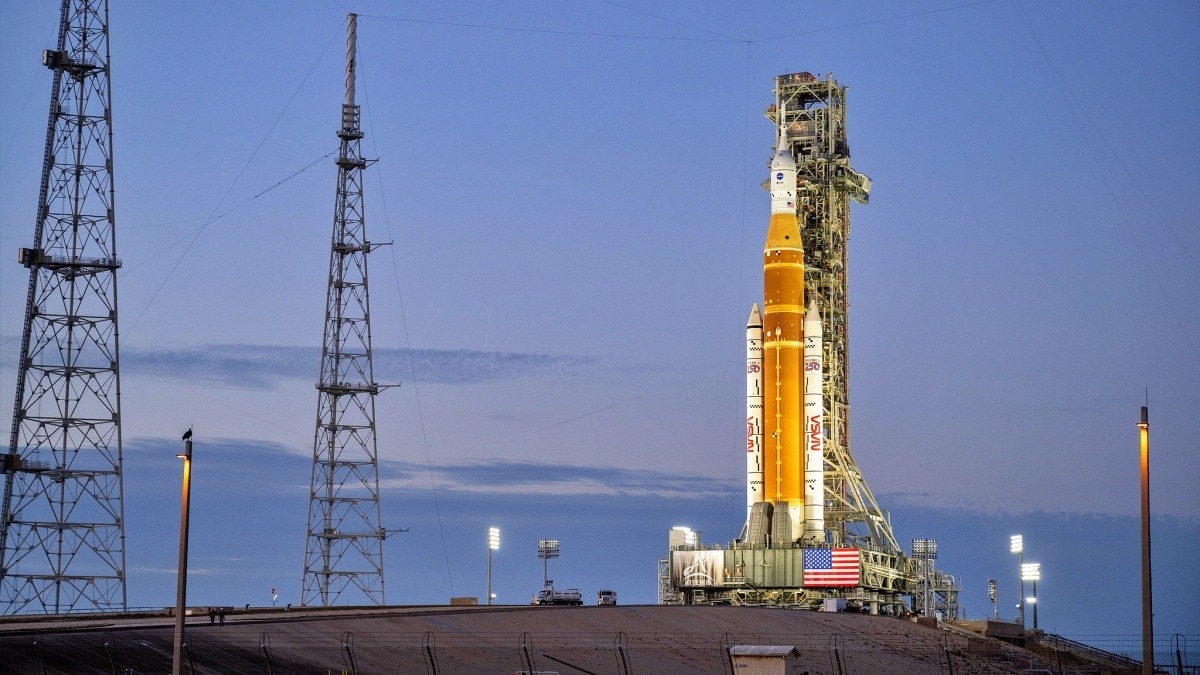
Introduction to the Artemis-II Moon Launch
NASA is set to announce the details of the Artemis-II Moon launch tonight, marking a significant milestone in the agency's ambitious plan to return humans to the lunar surface by 2025. The Artemis program, named after the Greek goddess of the hunt, aims to establish a sustainable presence on the Moon and eventually send humans to Mars. The Artemis-II mission is a critical step towards achieving this goal, as it will send the first woman and the next man to the Moon's vicinity, paving the way for future lunar landing missions. In this guide, we will delve into the details of the Artemis-II Moon launch, exploring the mission's objectives, spacecraft design, and the implications of this historic event for the future of space exploration.
The Artemis-II mission is a crewed mission that will send astronauts on a lunar flyby, testing the Orion spacecraft and the Space Launch System (SLS) rocket that will be used for future lunar landing missions. The mission will provide valuable insights into the performance of the spacecraft and rocket, as well as the effects of space travel on the human body. The data collected during the mission will be crucial in preparing for future lunar missions, including the Artemis-III mission, which is scheduled to include the first lunar landing since the Apollo era.
The Artemis-II mission is also an opportunity for NASA to test new technologies and strategies that will be critical for future deep space missions. The mission will include a number of scientific experiments, including the study of the lunar exosphere and the testing of new navigation and communication systems. The mission will also provide an opportunity for NASA to test its capabilities in terms of mission planning, execution, and recovery, all of which are essential for future deep space missions.
The Spacecraft and Rocket Design
The Artemis-II mission will utilize the Orion spacecraft, which is designed to carry astronauts on deep space missions. The Orion spacecraft is equipped with advanced life support systems, navigation, and communication equipment, as well as a state-of-the-art propulsion system. The spacecraft is designed to provide a safe and comfortable environment for the astronauts, with a reliable and efficient propulsion system that can carry them to the Moon and back. The Orion spacecraft is also equipped with a number of scientific instruments, including cameras, spectrometers, and radiation detectors, which will be used to study the lunar environment and the effects of space travel on the human body.
The Space Launch System (SLS) rocket is a heavy-lift rocket that is designed to carry the Orion spacecraft and its crew on deep space missions. The SLS rocket is the most powerful rocket ever built, with a payload capacity of over 270,000 pounds. The rocket is equipped with a number of advanced systems, including a powerful propulsion system, a sophisticated guidance and navigation system, and a robust communication system. The SLS rocket is designed to provide a reliable and efficient way to carry astronauts and cargo on deep space missions, and it will play a critical role in the success of the Artemis program.
The design of the Orion spacecraft and the SLS rocket is the result of years of research and development, and it represents a significant advancement in space technology. The spacecraft and rocket are designed to be highly reliable and efficient, with a number of redundant systems and backup plans in place to ensure the safety of the astronauts and the success of the mission. The design of the spacecraft and rocket is also highly flexible, with a number of modular components that can be easily upgraded or replaced as needed.
Mission Objectives and Timeline
The primary objective of the Artemis-II mission is to test the Orion spacecraft and the SLS rocket in a lunar flyby mission. The mission will include a number of key events, including launch, trans-lunar injection, lunar flyby, and return to Earth. The mission will provide valuable insights into the performance of the spacecraft and rocket, as well as the effects of space travel on the human body. The mission will also include a number of scientific experiments, including the study of the lunar exosphere and the testing of new navigation and communication systems.
The mission timeline is expected to be approximately 10 days, with the launch scheduled to take place in the near future. The spacecraft will take approximately 3 days to reach the Moon, and it will spend approximately 2 days in lunar orbit. The spacecraft will then return to Earth, splashing down in the Pacific Ocean. The mission will be controlled from the NASA Johnson Space Center in Houston, Texas, with a team of experienced engineers and scientists monitoring the spacecraft and rocket throughout the mission.
📺 Expert Video Session
Watch this technical breakdown to complement the strategy below.
The Artemis-II mission is a critical step towards achieving the goals of the Artemis program, which includes establishing a sustainable presence on the Moon and sending humans to Mars. The mission will provide valuable insights into the performance of the spacecraft and rocket, as well as the effects of space travel on the human body. The mission will also provide an opportunity for NASA to test new technologies and strategies that will be critical for future deep space missions.
Implications and Future Plans
The Artemis-II mission has significant implications for the future of space exploration, both in terms of the technological advancements it represents and the scientific discoveries it will enable. The mission marks a major step towards establishing a sustainable presence on the Moon, which will provide a stepping stone for further human exploration of the solar system. The mission will also provide valuable insights into the effects of space travel on the human body, which will be critical for future deep space missions.
The success of the Artemis-II mission will pave the way for future lunar missions, including the Artemis-III mission, which is scheduled to include the first lunar landing since the Apollo era. The Artemis-III mission will include the use of a lunar lander, which will be designed to carry astronauts from lunar orbit to the surface of the Moon. The mission will also include the use of new technologies, such as advanced life support systems and navigation equipment, which will be critical for future deep space missions.
The Artemis program is also expected to have significant implications for the future of space exploration, both in terms of the technological advancements it represents and the scientific discoveries it will enable. The program will provide an opportunity for NASA to test new technologies and strategies that will be critical for future deep space missions, including the use of advanced propulsion systems and the development of sustainable habitats. The program will also provide an opportunity for NASA to develop new partnerships and collaborations, both with other government agencies and with private industry, which will be critical for the success of future deep space missions.
Conclusion and Final Thoughts
In conclusion, the Artemis-II Moon launch is a significant milestone in the history of space exploration, marking a major step towards establishing a sustainable presence on the Moon and sending humans to Mars. The mission will provide valuable insights into the performance of the Orion spacecraft and the SLS rocket, as well as the effects of space travel on the human body. The mission will also provide an opportunity for NASA to test new technologies and strategies that will be critical for future deep space missions, including the use of advanced propulsion systems and the development of sustainable habitats.
The success of the Artemis-II mission will pave the way for future lunar missions, including the Artemis-III mission, which is scheduled to include the first lunar landing since the Apollo era. The mission will also provide an opportunity for NASA to develop new partnerships and collaborations, both with other government agencies and with private industry, which will be critical for the success of future deep space missions. As NASA continues to push the boundaries of space exploration, the Artemis-II mission represents a significant step towards achieving the agency's ambitious goals and inspiring future generations of scientists, engineers, and explorers.
As we look to the future of space exploration, it is clear that the Artemis-II mission is just the beginning of an exciting new chapter in the history of space travel. With its advanced technologies, sophisticated spacecraft, and highly trained astronauts, the mission represents a major step towards establishing a sustainable presence on the Moon and sending humans to Mars. As we await the announcement of the Artemis-II Moon launch details tonight, we can only imagine the exciting possibilities that the future of space exploration holds, and we look forward to seeing the progress that NASA and its partners will make in the years to come.
About Menshly Digital
Menshly Wealth is a premier digital publication dedicated to decoding the 2026 economy. Lead by a collective of digital entrepreneurs, we provide data-driven insights into passive income and AI sovereignty.
Follow on X