
Breast cancer cases in India have more than doubled in three decades, experts say
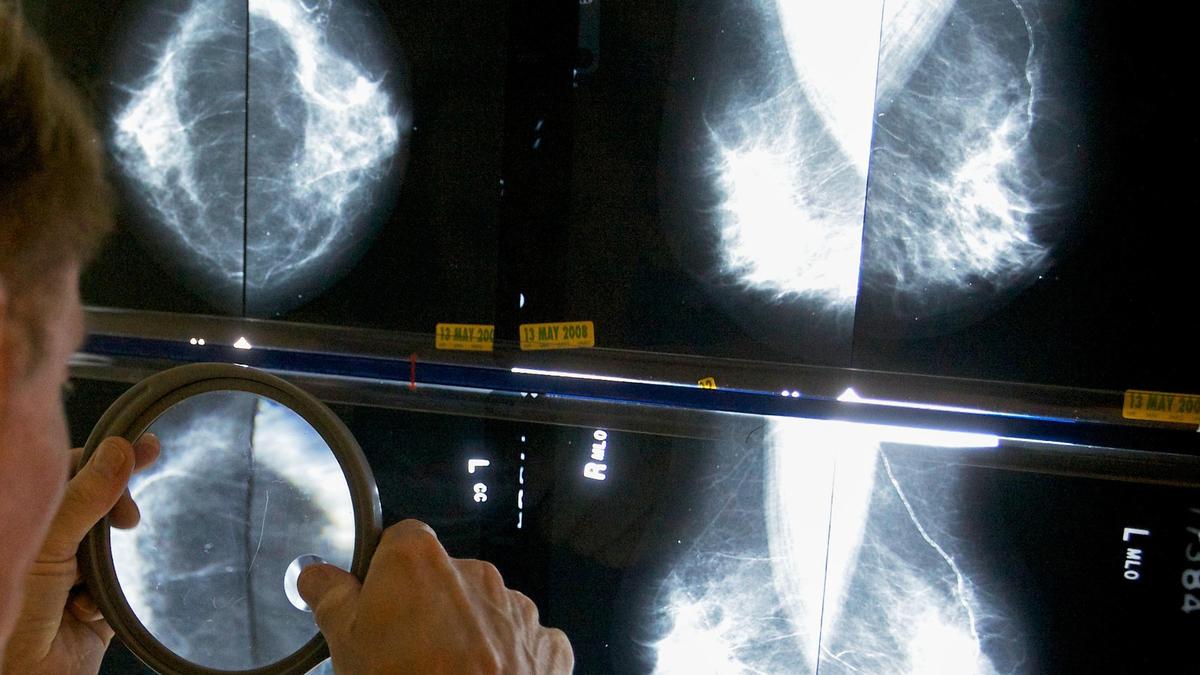
Breast cancer is one of the most common types of cancer affecting women worldwide, and India is no exception. According to recent statistics, breast cancer cases in India have more than doubled in the past three decades, with experts warning of an alarming rise in the incidence of this disease. This surge in breast cancer cases has significant implications for the healthcare system, policymakers, and individuals, making it essential to understand the underlying factors, symptoms, diagnosis, treatment options, and preventive measures. In this comprehensive guide, we will delve into the current state of breast cancer in India, exploring the trends, challenges, and ways to combat this growing health concern.
The increasing incidence of breast cancer in India can be attributed to various factors, including changes in lifestyle, genetic predisposition, and limited access to healthcare services. The country's rapid urbanization and adoption of Westernized lifestyles have led to an increase in risk factors such as delayed childbearing, reduced breastfeeding, and a rise in obesity rates. Furthermore, genetic mutations, particularly in the BRCA1 and BRCA2 genes, can significantly increase an individual's likelihood of developing breast cancer. The lack of awareness, inadequate screening facilities, and limited access to quality healthcare services, especially in rural areas, exacerbate the problem, leading to late diagnosis and poor treatment outcomes.
Understanding Breast Cancer: Symptoms, Diagnosis, and Treatment
Breast cancer often presents with subtle symptoms, making it crucial to be aware of the warning signs and undergo regular screenings. Common symptoms include a lump or thickening in the breast, changes in breast size or shape, dimpling or puckering of the skin, and nipple discharge or retraction. If you notice any of these symptoms, it is essential to consult a healthcare professional for a thorough evaluation. Diagnosis typically involves a combination of imaging tests such as mammography, ultrasound, and MRI, followed by a biopsy to confirm the presence of cancer. Treatment options for breast cancer depend on the stage, type, and individual characteristics, and may include surgery, radiation therapy, chemotherapy, hormone therapy, or targeted therapy.
Early detection and treatment are critical in improving breast cancer outcomes. Regular screenings can help identify breast cancer at an early stage, when it is more treatable. The Indian government has launched initiatives to enhance cancer screening and early detection, including the National Programme for Prevention and Control of Cancer, Diabetes, Cardiovascular Diseases, and Stroke (NPCDCS). However, more needs to be done to increase awareness, improve access to screening facilities, and ensure timely treatment. Individuals can take proactive steps by undergoing regular health check-ups, maintaining a healthy lifestyle, and being aware of their family medical history.
Risk Factors and Prevention Strategies
While some risk factors for breast cancer, such as genetic mutations, cannot be changed, there are several lifestyle modifications that can help reduce the risk. Maintaining a healthy weight, engaging in regular physical activity, and following a balanced diet rich in fruits, vegetables, and whole grains can help mitigate the risk of breast cancer. Additionally, limiting alcohol consumption, avoiding tobacco, and minimizing exposure to environmental pollutants can also contribute to a reduced risk. Breastfeeding, especially for an extended duration, has been shown to lower the risk of breast cancer, and women who have had children and breastfed are at a lower risk than those who have not.
📺 Expert Video Session
Watch this technical breakdown to complement the strategy below.
It is also essential to be aware of your family medical history and undergo genetic testing if you have a strong family history of breast cancer. Genetic counseling can help individuals understand their risk and make informed decisions about preventive measures, such as prophylactic mastectomy or enhanced screening. Moreover, being aware of your body and reporting any changes or symptoms to your healthcare provider can help detect breast cancer early, when it is more treatable. By adopting a healthy lifestyle, being aware of your risk factors, and undergoing regular screenings, you can significantly reduce your risk of developing breast cancer.
Challenges and Opportunities in Breast Cancer Care
Despite the growing burden of breast cancer in India, there are several challenges that hinder the delivery of quality care. Limited access to healthcare services, particularly in rural areas, is a significant obstacle, with many women presenting with advanced-stage disease due to delayed diagnosis and treatment. The lack of trained healthcare professionals, inadequate infrastructure, and limited resources further exacerbate the problem. Moreover, the high cost of cancer treatment, including surgery, chemotherapy, and radiation therapy, can be a significant burden for many families, leading to financial hardship and reduced treatment adherence.
However, there are also opportunities to improve breast cancer care in India. The government's initiatives to enhance cancer screening and early detection, as well as the growing number of private sector providers offering quality cancer care, are positive developments. Additionally, the increasing use of technology, such as telemedicine and artificial intelligence, can help expand access to healthcare services, improve diagnosis, and enhance treatment outcomes. Non-governmental organizations (NGOs) and patient support groups also play a vital role in raising awareness, providing emotional support, and advocating for policy changes to improve breast cancer care. By addressing the challenges and leveraging the opportunities, we can work towards reducing the burden of breast cancer in India and improving outcomes for those affected by this disease.
A Call to Action: Combating the Rising Burden of Breast Cancer in India
The alarming rise in breast cancer cases in India demands a concerted effort from all stakeholders, including policymakers, healthcare professionals, individuals, and communities. We must work together to raise awareness, improve access to healthcare services, and enhance the quality of care. This can be achieved by increasing funding for breast cancer research, improving healthcare infrastructure, and expanding access to screening and diagnostic facilities. Additionally, we must promote healthy lifestyles, encourage early detection and treatment, and provide emotional and financial support to those affected by breast cancer.
Individuals can take proactive steps by undergoing regular health check-ups, maintaining a healthy lifestyle, and being aware of their family medical history. Moreover, we must advocate for policy changes that prioritize breast cancer care, increase access to affordable treatment options, and provide support to patients and their families. By joining forces and working towards a common goal, we can combat the rising burden of breast cancer in India and improve outcomes for those affected by this disease. The time to act is now, and together, we can make a difference in the lives of countless women and families affected by breast cancer.
About Menshly Digital
Menshly Wealth is a premier digital publication dedicated to decoding the 2026 economy. Lead by a collective of digital entrepreneurs, we provide data-driven insights into passive income and AI sovereignty.
Follow on X